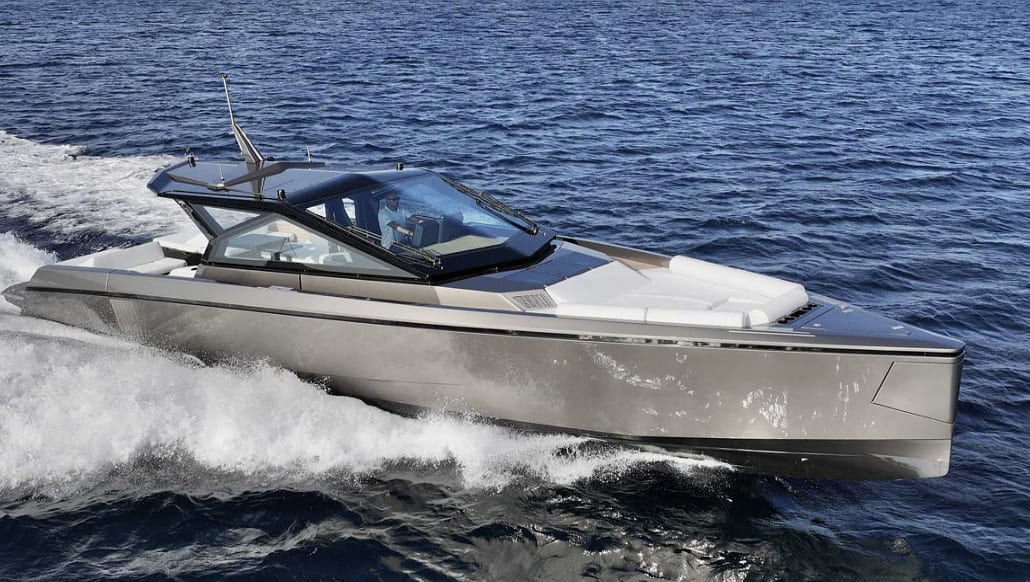
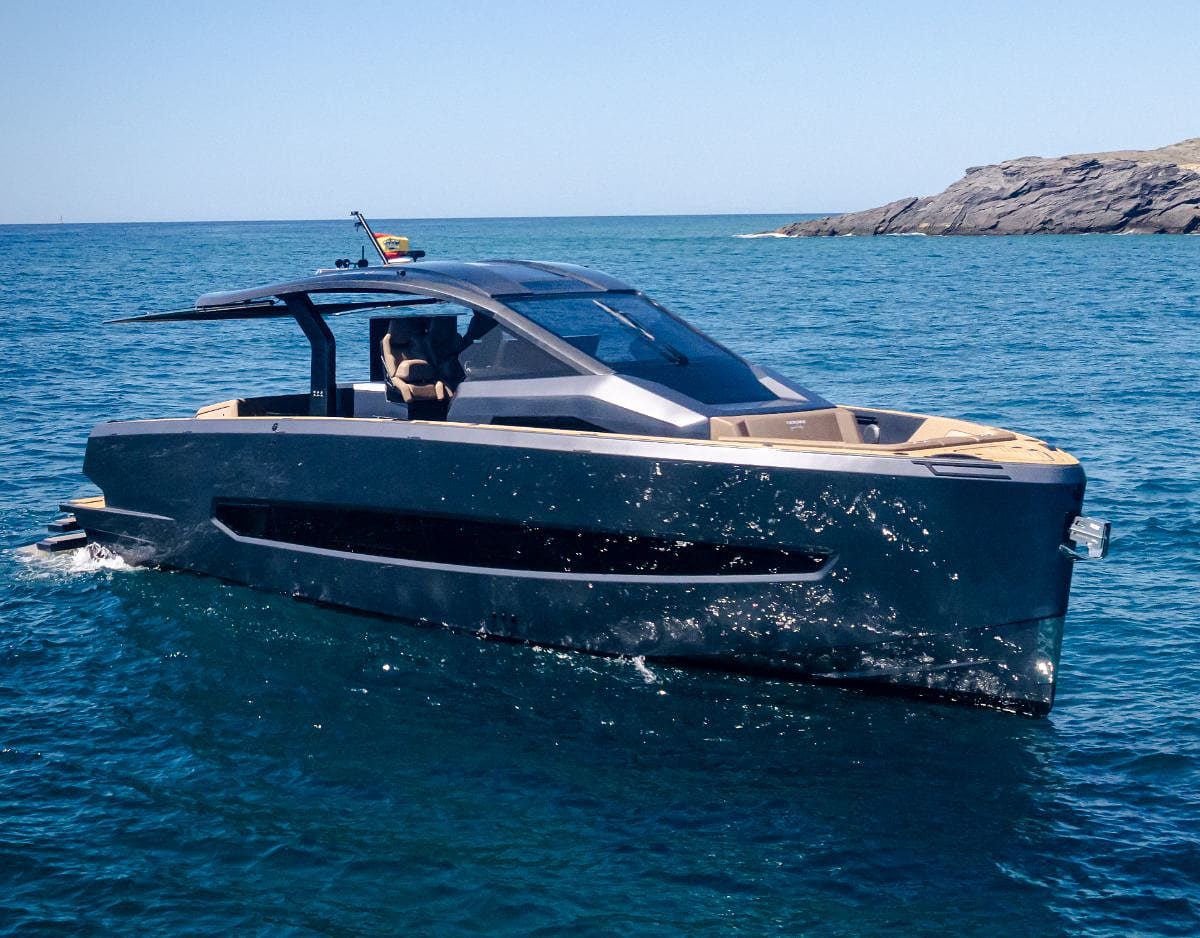
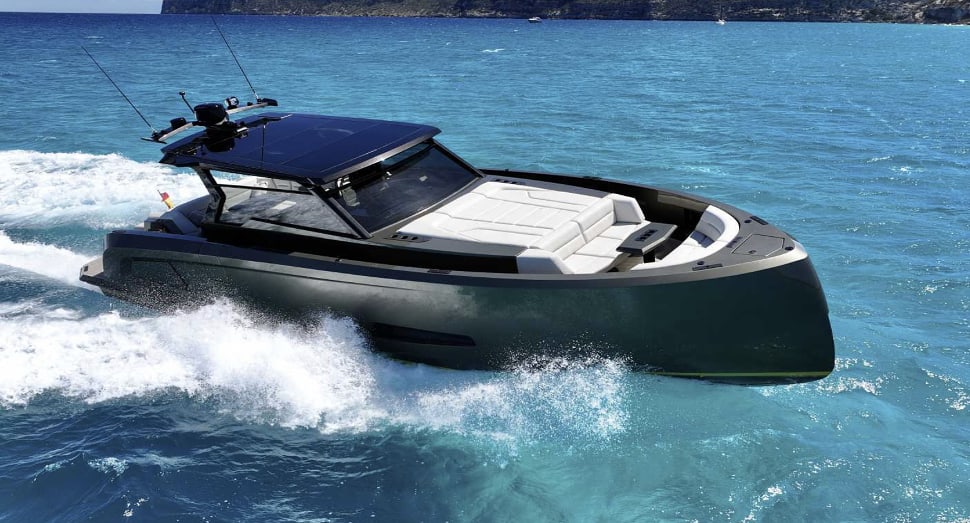
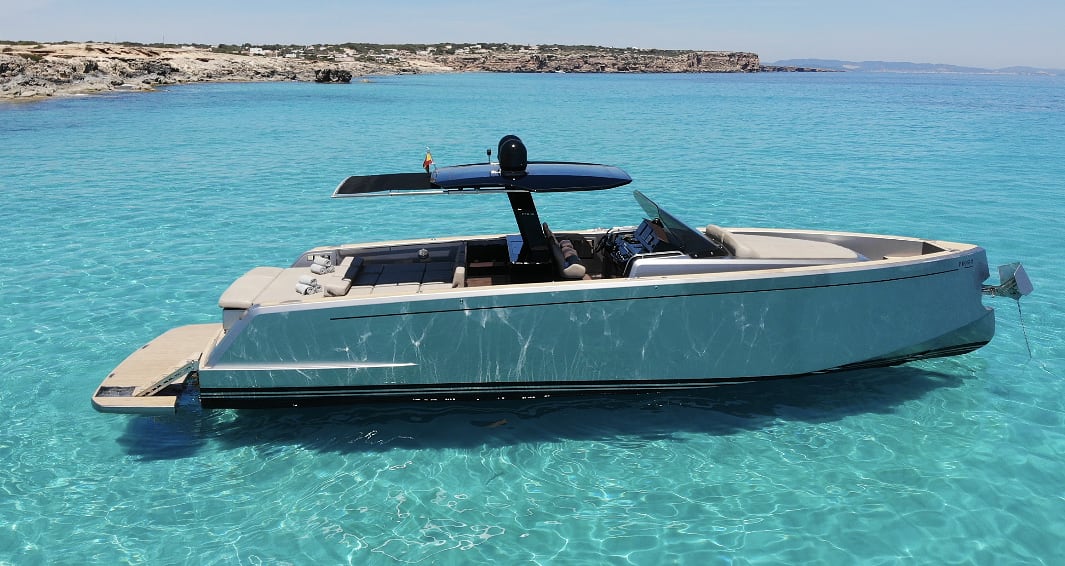
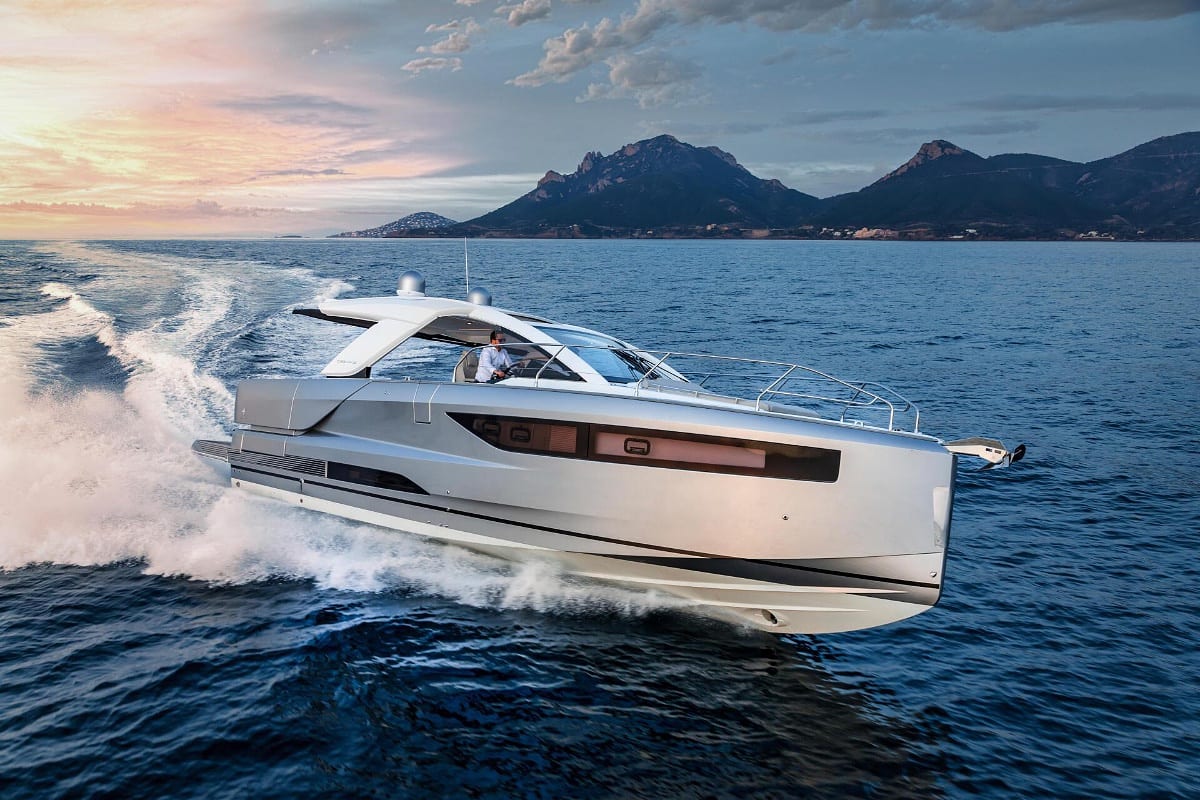
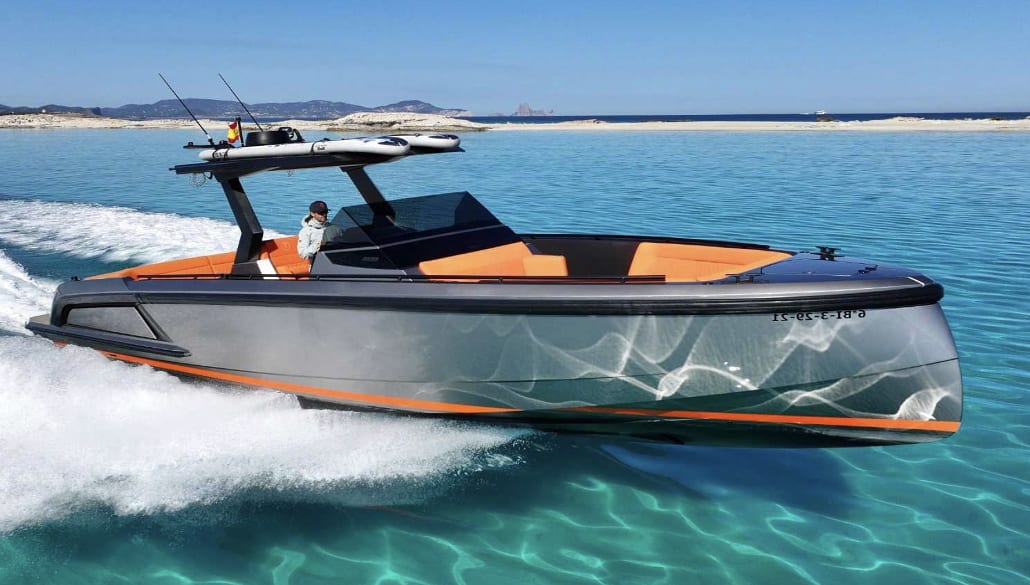
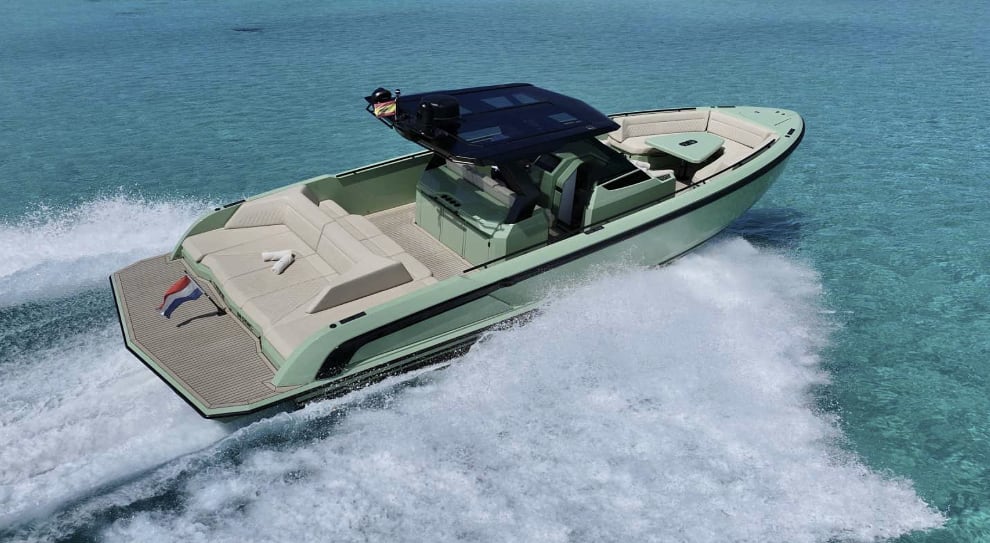
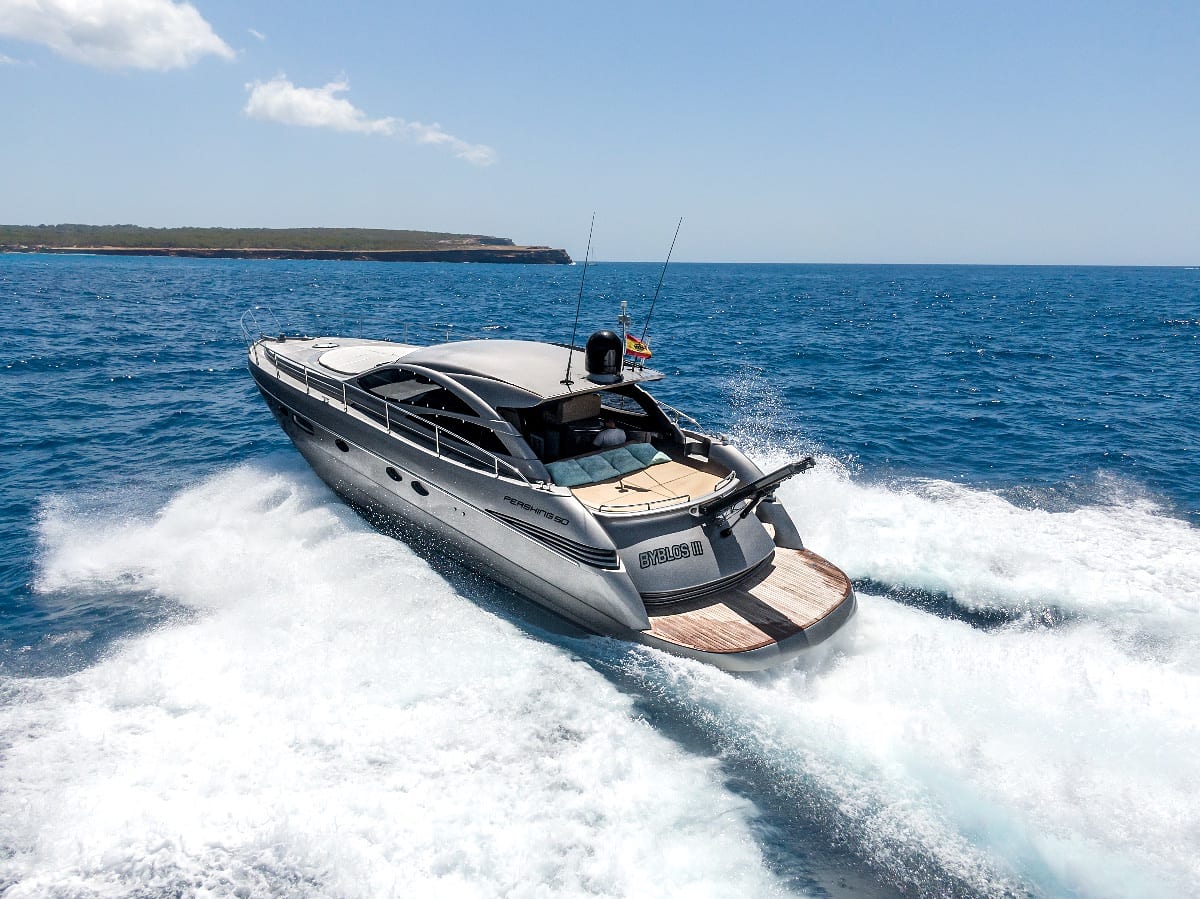
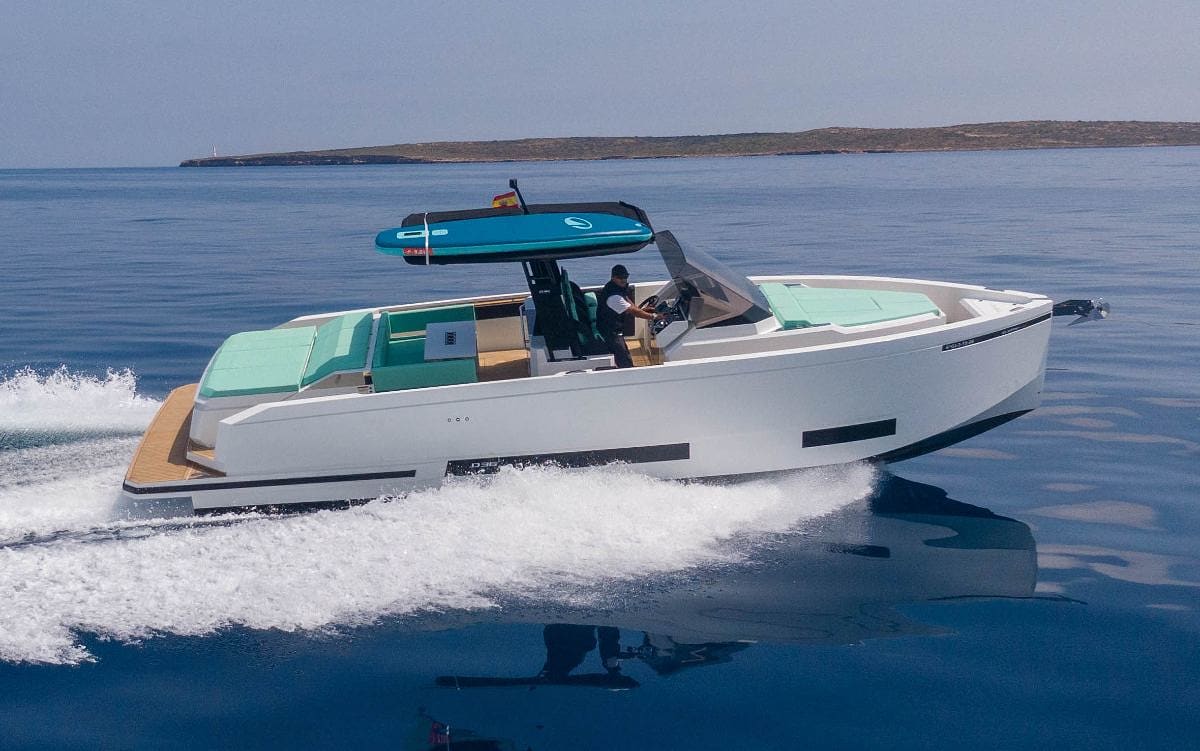
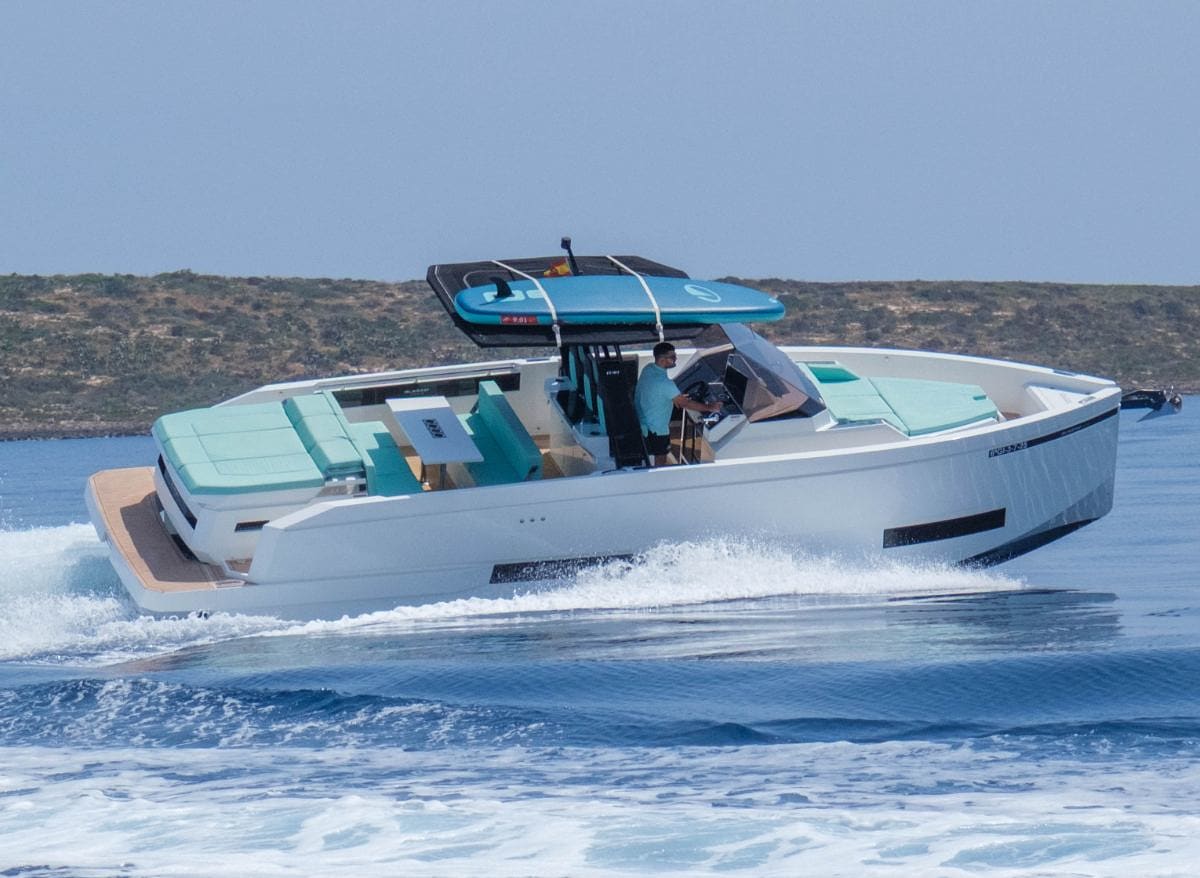
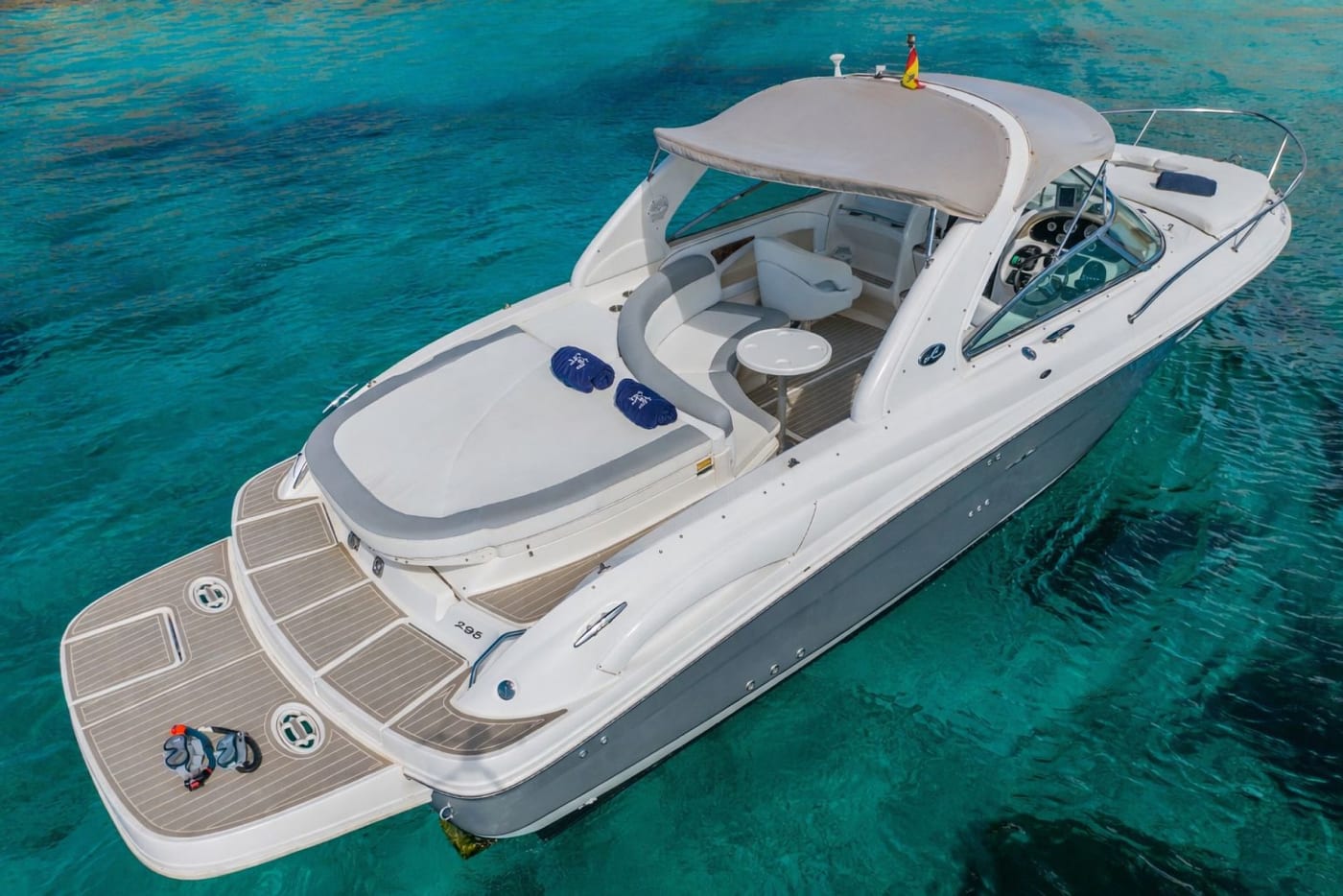
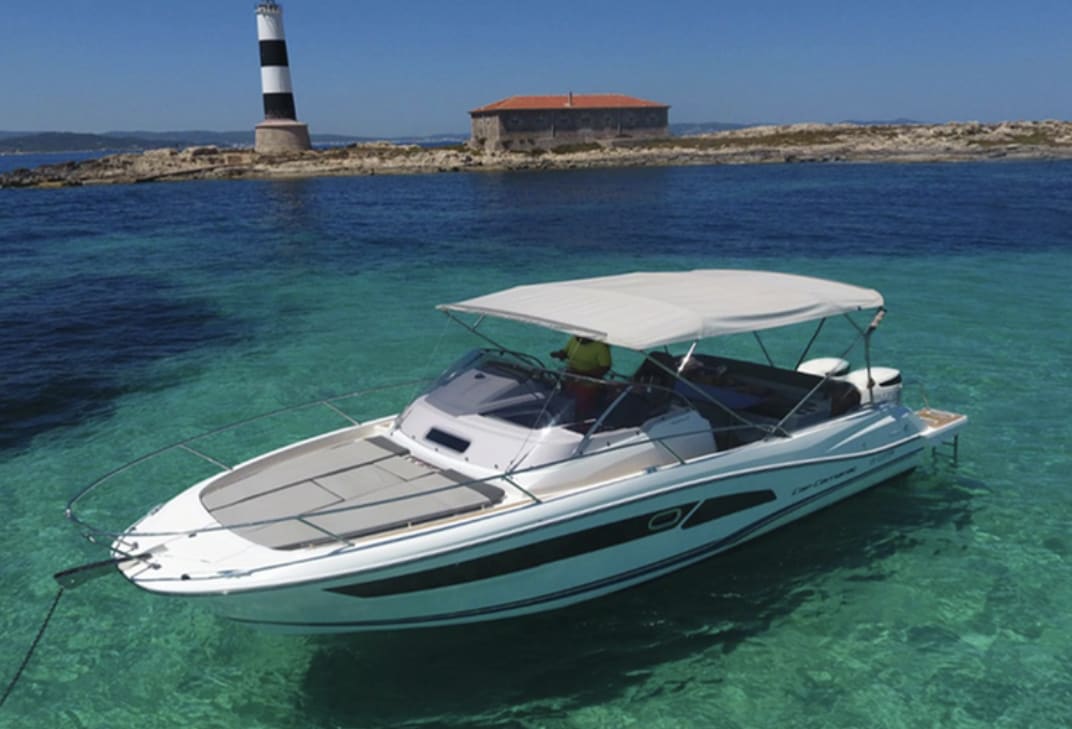
Ibiza private boat charter
From €680 / day

Private Boat Charters Ibiza

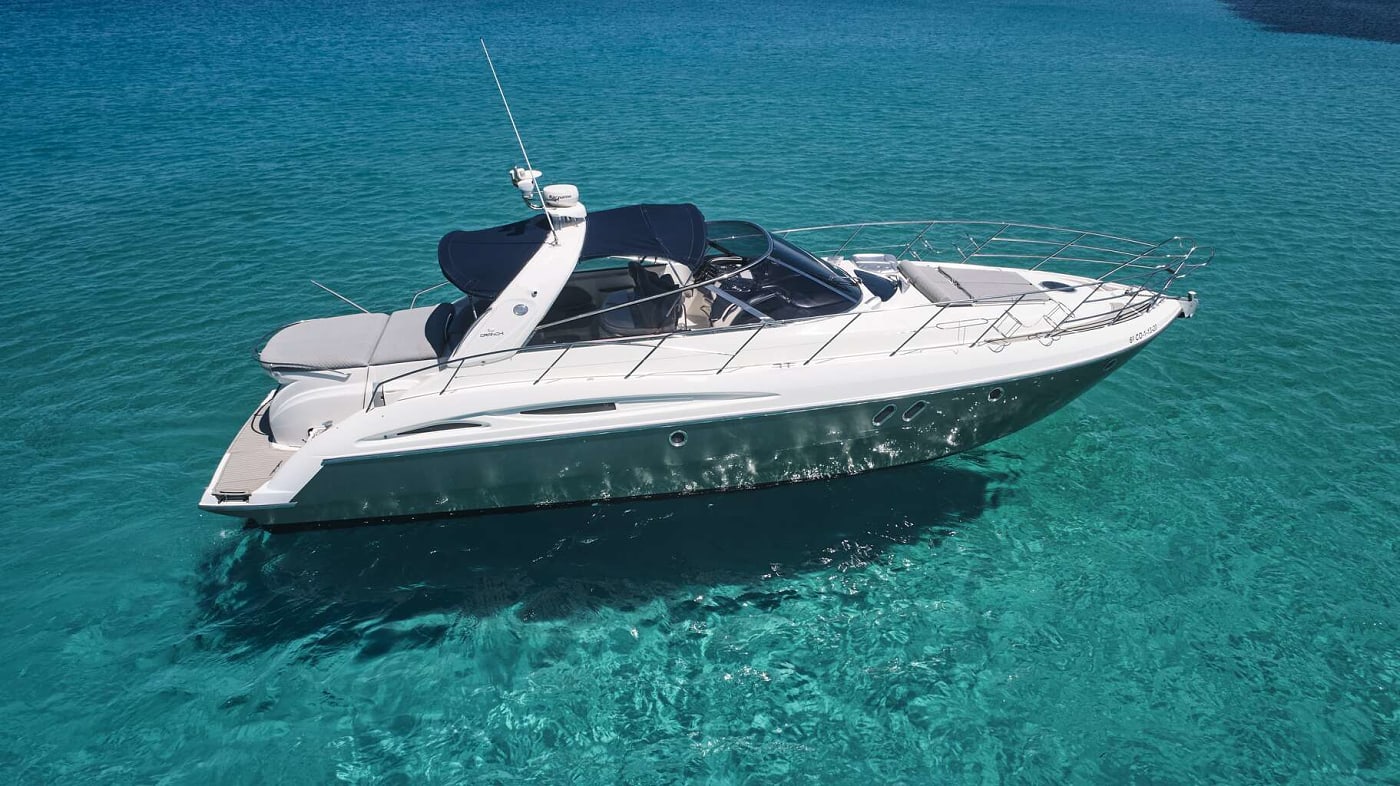
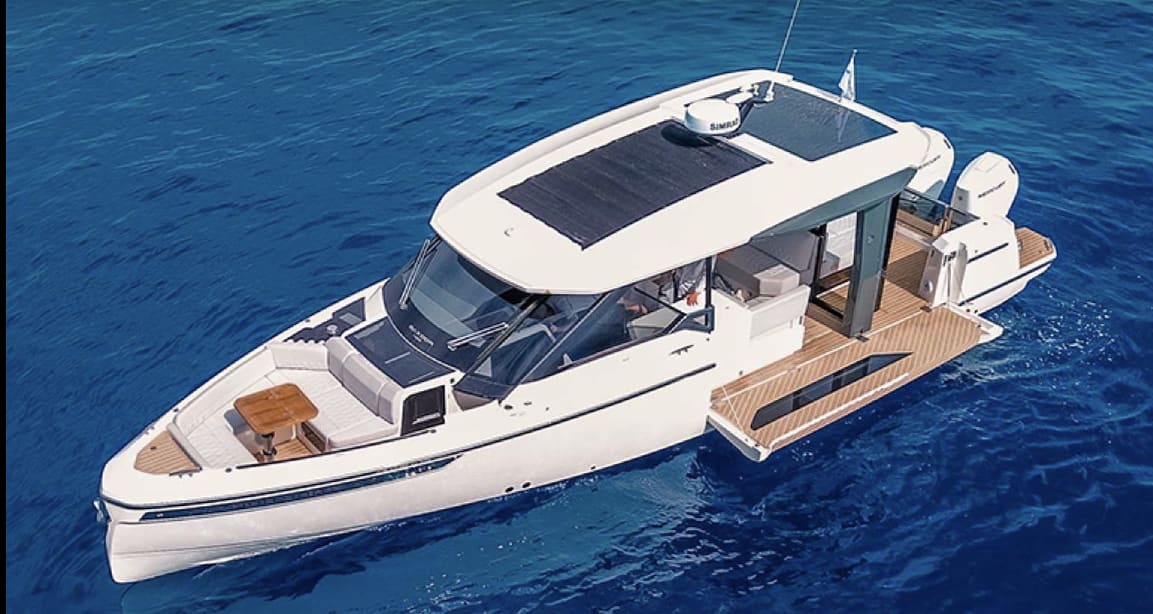
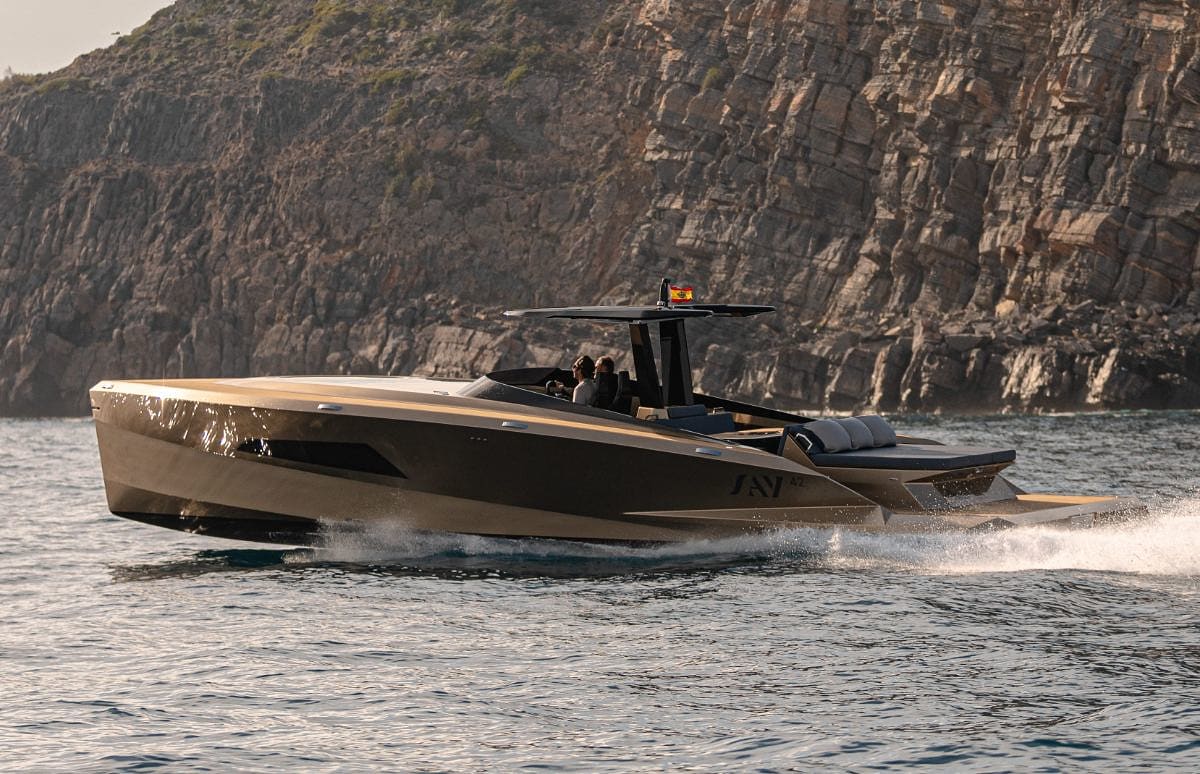
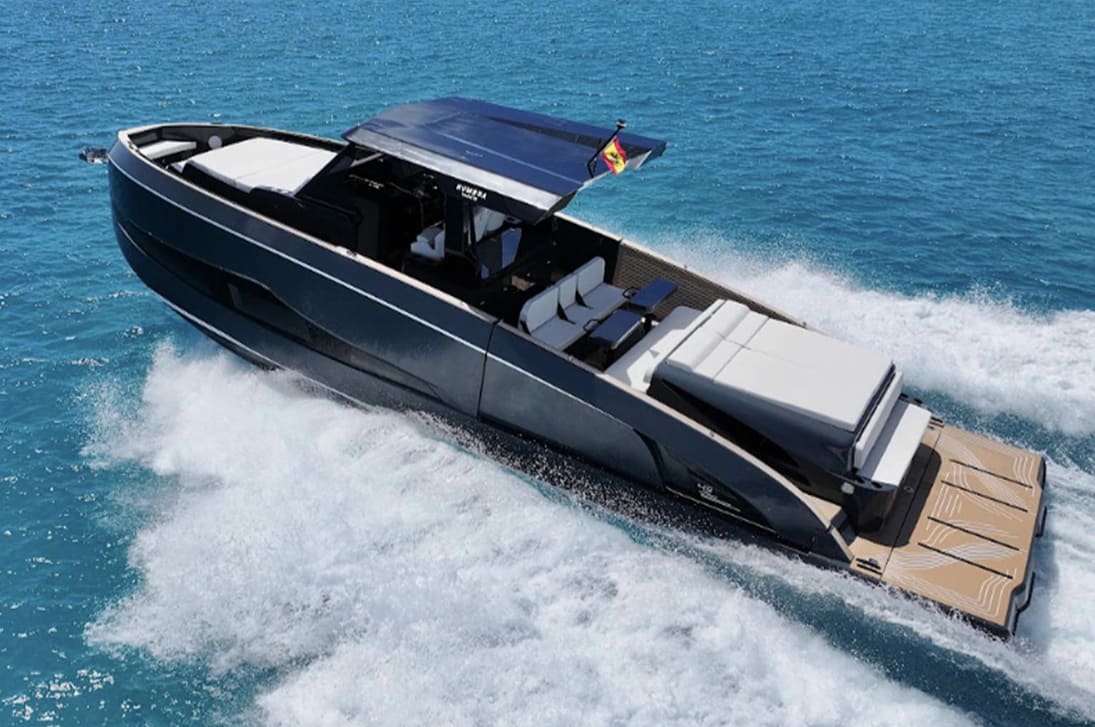
94 boats from our partner fleet — 22 ft day boats to 92 ft superyachts, with live availability per day. On the water around Ibiza & Formentera.

Three questions and the fleet narrows to the boats that fit.

What kind of boat?

A motorboat for a cove and a swim; a yacht from 50 ft for the whole day and a crew.

How many on board?

Twelve guests is the legal maximum on a charter here.

Budget per day?

Day rates, before fuel and skipper unless the dossier says otherwise.

94 boats match

94 yachts· Live status, 19:08

Not sure which yacht fits you?

Tell us your dates and group size — we'll match you with the perfect boat and handle everything.

WhatsApp us

What does it cost?

Our fleet holds 94 boats from 5 marinas around the island. A motorboat starts at €680 a day, a yacht at €1,800, and the largest runs to €17,545. These are our own day rates, not an average of the market.

Motorboats · 61 boats
€680€4,700per day
Yachts · 33 boats
€1,800€17,545per day

The day rate is for the boat. Whether a skipper is included, and what else comes with it, differs per boat and per date — we confirm that before you book, not after. Ask up front; we dislike a surprise on the bill as much as you do.

The questions people actually ask — answered with the numbers

Every figure below comes straight from our own fleet and moves with it.

What is the cheapest boat you charter in Ibiza?
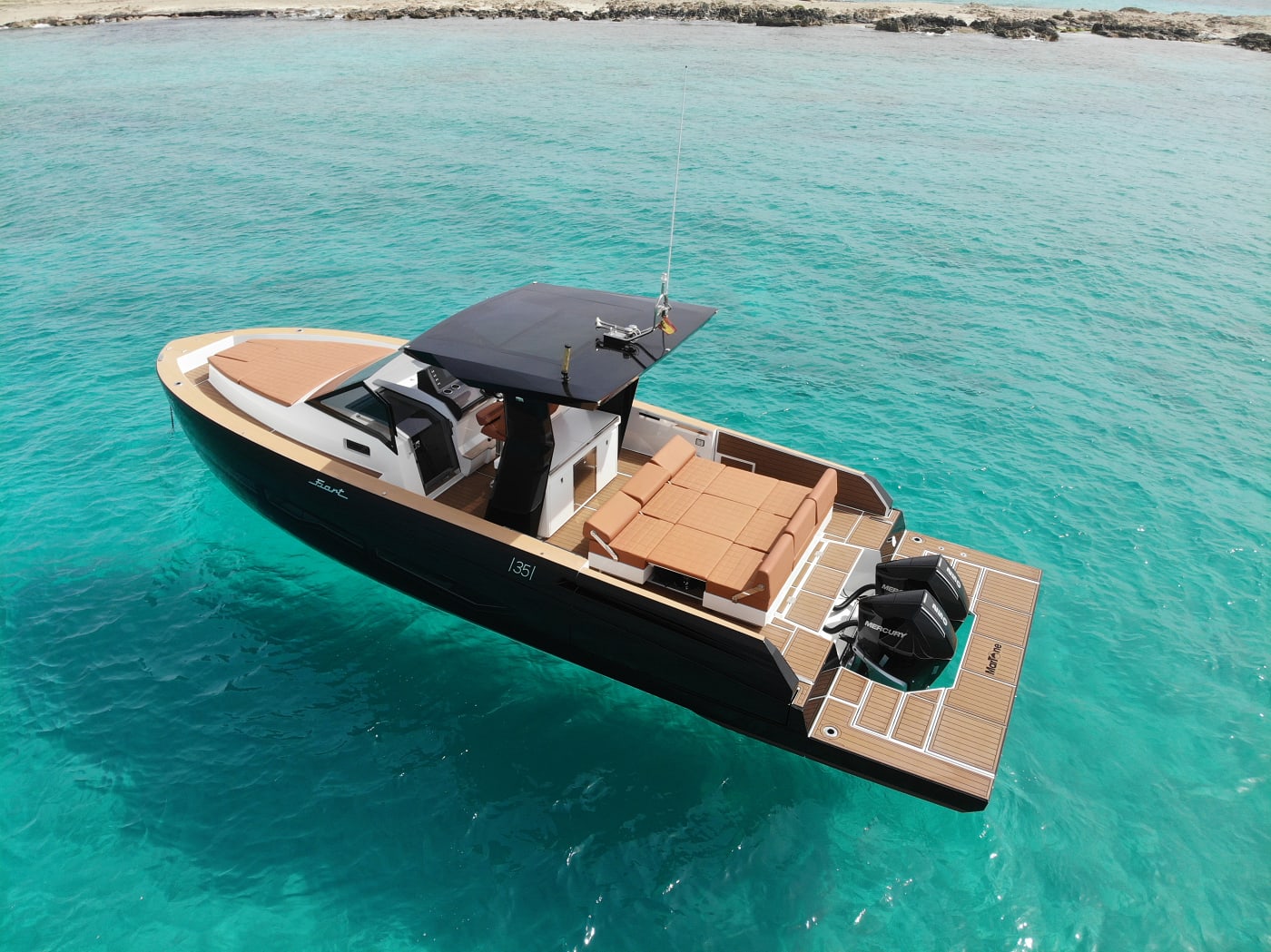
The Monterey 224 FS Ironman at €680 a day in low season, for 7 guests from Marina Botafoc. Of our 94 boats, 6 sit under €1,000 a day and 22 under €1,500.
How much does a day on a private boat in Ibiza cost?
With us it runs from €680 to €17,545 a day, depending on the boat and the season. These are our own day rates, not an average of the market. Fuel, skipper and VAT differ per boat and are in the dossier.
Which boat gives the most space for the money?
Measured in guests per euro, the Cap Camarat 9.0 Thymar: 9 guests from €830 a day. That is arithmetic, not a verdict on the boat — which one sails best depends on your plans.
What is the cheapest boat for 8 people?
The Cap Camarat 9.0 Thymar, from €830 a day, seating 9 guests.
Which boat takes the largest group?
Our largest boats carry 12 guests. The cheapest of those is the Kumbra 34 Enjoy from €1,200 a day.
Which marinas do your boats leave from?
From 5 marinas on Ibiza: Marina Botafoc (46, from €680), Marina Ibiza (32, from €895), Club Nautic (8, from €1,200), Marina Magna (2, from €1,235), Santa Eulalia (6, from €1,500). Formentera is a destination you sail to, not a departure port.
How many boats do you have?
94: 33 yachts and 61 motorboats, each with day-by-day availability on the site.
Can I see whether a boat is free on my date?
Yes. Pick your date in the bar above the fleet and every card shows available, on option or booked, with the rate for that day. That status comes from our fleet supplier and refreshes every fifteen minutes.

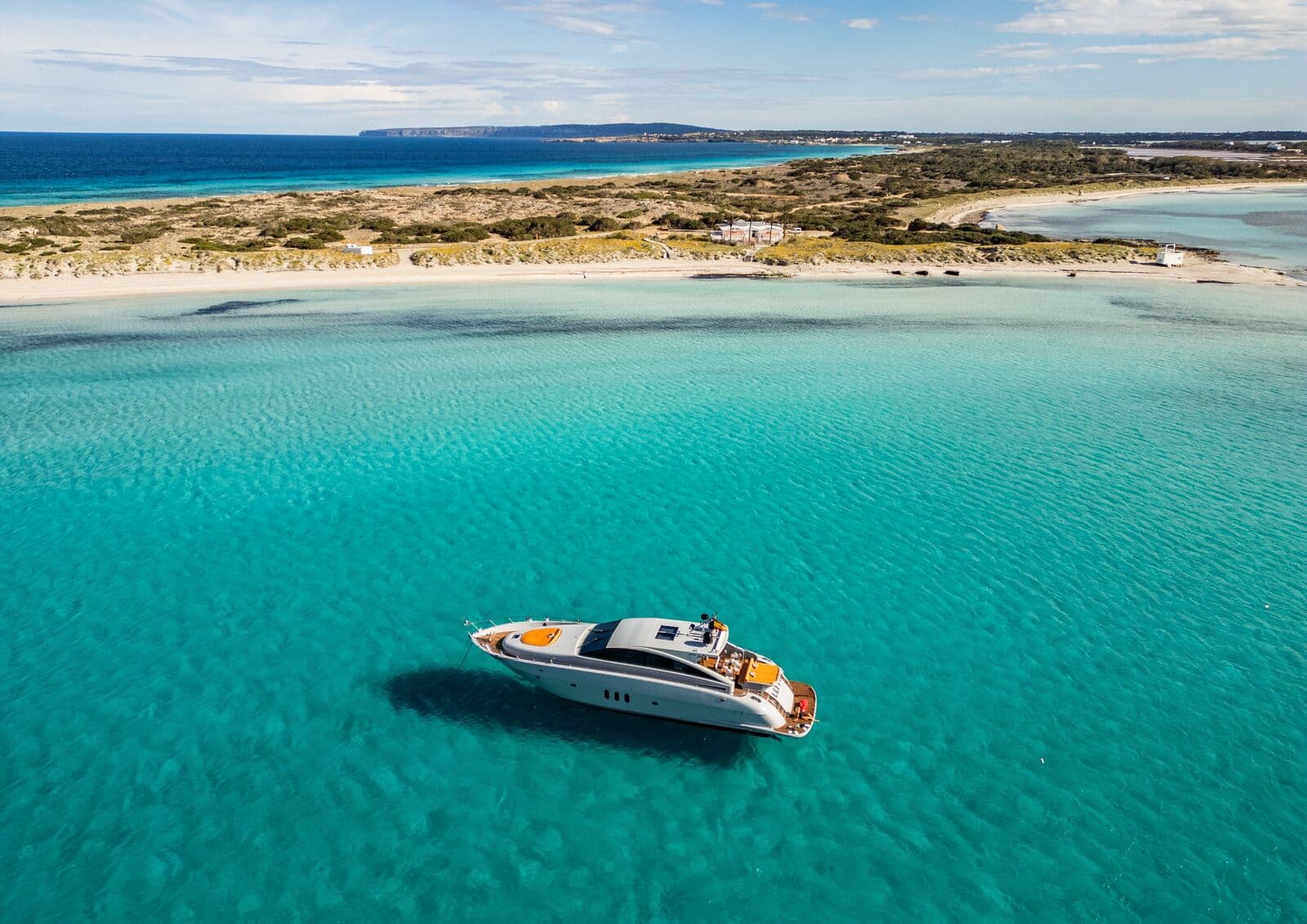
Three categories of private boat charters, compared

Chartering a private boat in Ibiza comes down to group size, comfort and cruising range. We divide the fleet into three main categories: agile day cruisers (7–10 m), spacious catamarans & sailing yachts (11–15 m), and luxury motor yachts (15–24 m+). Every charter includes an experienced skipper and insurance; fuel is calculated transparently on actual consumption.

Comparison of day cruisers, catamarans and luxury motor yachts: capacity, duration, routes and amenities.
Boat categoryCapacityDuration & DeparturePopular routesIncluded
Day cruiser / Motorboat (7–10 m)Up to 8–10 guests (ideal comfort: 6–8)Half day (4h) or full day (8h); departs Marina Botafoch or San AntonioEs Vedrà, Cala Conta, Cala Bassa, Ses SalinesLocal skipper, coolbox with ice, snorkels, sundeck, swim ladder and insurance
Catamaran & Sailing Yacht (11–15 m)Up to 10–12 guests (generous deck space and shade)Full day (8h) or sunset cruise; departs San Antonio or SalinasFormentera (Espalmador & Ses Illetes), sheltered covesSkipper, stand-up paddleboards, trampoline nets, sound system, shade bimini
Luxury Motor Yacht (15–24 m+)Up to 10–12 guests plus professional crewFull day charter (8h); departs Marina Ibiza or Marina BotafochFast crossing to Formentera (lunch at Beso Beach / Juan y Andrea), TagomagoCaptain & stewardess, towels, soft drinks & ice, Seabob on request, A/C luxury cabins

Good to know: Rates vary by season (shoulder season May/Oct vs peak July/August). The skipper confirms the day’s route on the morning of departure based on real-time wind and swell to ensure the calmest anchorages. We confirm live availability and exact daily rates over WhatsApp before booking.
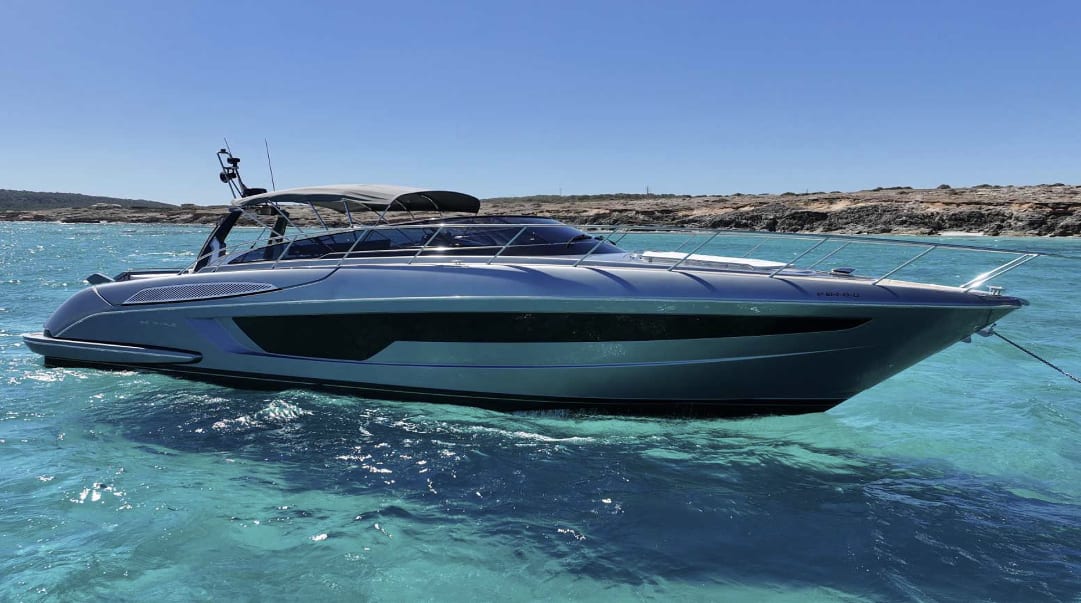
Three classic day routes from Ibiza

The question everyone asks once the boat is sorted: where do we actually go? Below are the three routes our skippers run most often, with the coves in order. They are a starting point rather than a timetable — the wind that morning decides which side of the island is pleasant, and the skipper will reverse the order or swap a stop when that works out better. Which route suits your day is something we talk through over WhatsApp beforehand.

01

South coast and the crossing to Formentera

Who it suits: First-timers, families and anyone whose main wish is shallow turquoise water.

The best-known route, and not without reason: the water between Ibiza and Formentera reads pale and clear because the bottom there is sand rather than rock. You run down past the southern tip of Ibiza, cross over, and spend the middle of the day on the sandbanks. In the morning this stretch is often still glassy.

Stops in order

  1. Ses Salines

    The flat southern tip of Ibiza: low dunes, pines standing almost on the sand and, behind them, the old salt pans the area is named after.

    Why stop here: A short, easy first stop close to the marina, so everyone gets in the water before the crossing begins.

    Practical note
    This coast lies open to the south: with wind from that quarter it is restless, and we skip the stop and press straight on. It is also protected ground with seagrass, so the anchor goes down on sand.

    On this beach: Sa Trinxa, Jockey Club

  2. Es Freus

    The strait between Ibiza and Formentera, scattered with small rocky islets and marked by a lighthouse. The water switches from deep blue to almost white within a few metres.

    Why stop here: This is the stretch where people reach for their phone. Not a place to anchor, very much a place to idle through slowly.

    Practical note
    Wind and current get squeezed together here. When the wind sets against the flow you get a short, choppy sea — unpleasant if you are prone to seasickness. Crossing early is almost always more comfortable.

  3. Es Palmador

    An uninhabited islet lying between Ibiza and Formentera — low, bare, and fringed on its inner side by broad shallow sandbanks where the water turns almost milky pale.

    Why stop here: The standard lunch anchorage. The water is shallow enough that you stand in it rather than swim, which makes it ideal with children.

    Practical note
    The island and the water around it are protected; the skipper anchors on sand, clear of the seagrass, and follows whatever the local rules are that season. In July and August expect company in the middle of the day — arrive early and it is a different island entirely.

  4. Ses Illetes

    The narrow sand spit reaching north from the tip of Formentera, with beach on both sides and little more than dune in between.

    Why stop here: It is the picture people come for, and it genuinely holds up: fine sand running a long way out, water that stays shallow for ages.

    Practical note
    The spit is narrow, so if the wind turns you simply move to the sheltered side — one of the few places where a wind shift costs you nothing more than a short reposition. It is, however, the busiest piece of water on Formentera in high season.

  5. Cala Saona

    A notch in Formentera’s west coast, flanked by low reddish-brown cliffs that catch the light late in the afternoon.

    Why stop here: A quieter closer than Illetes, with good light at exactly the hour you are starting to think about the way home.

    Practical note
    The bay faces west and takes any swell from that direction. When swell rolls in it is no fun lying there, and we pick a cove on the other side instead.

Formentera and back in a day works well, but then that is the day: two stops, three at most. Put four coves on the list and you mainly spend the day under way. In strong southerly wind we reverse this route or trade it for the north side.

02

West coast and Es Vedrà

Who it suits: Couples, photographers and anyone who wants to build the day around the sunset.

Ibiza’s west side is more rugged than the south: rock shelves, pines growing right to the edge and coves that cut deeper inland. It is also the side where the sun goes down into the sea, so this route builds towards the evening. The island’s most famous rock stands along the way.

Stops in order

  1. Cala Bassa

    A wide, west-facing bay with sand and a pine wood running down to just above the water.

    Why stop here: The first swim of the day, with room to anchor comfortably and shelter from wind out of the north and east.

    Practical note
    Exactly where the bay shelters you from a northerly, it lies open to wind from the west. In high season it is also one of the busier anchorages on the west coast.

    On this beach: Cala Bassa Beach Club

  2. Cala Conta

    Low rock shelves rather than one continuous beach, with a couple of uninhabited islets sitting just offshore that break up the evening light.

    Why stop here: The water is exceptionally clear here because the bottom is sand and rock — the best snorkelling stop on the route.

    Practical note
    There is little cover from a westerly, and seagrass grows between the patches of sand; the skipper looks for a clean sandy spot before the anchor goes down.

  3. Cala d’Hort

    The cove in Ibiza’s south-west corner that looks straight out at Es Vedrà. Shingle and sand, high slopes on either side.

    Why stop here: From the water you get the postcard view without having to drive out here over land.

    Practical note
    In a south-westerly the swell runs straight into the bay and anchoring goes from unpleasant to not worth it. Then we look at Es Vedrà under way and swim elsewhere.

  4. Es Vedrà

    An uninhabited rock rising almost sheer out of the sea off Ibiza’s south-west coast, with the smaller Es Vedranell beside it. No beach, no houses, just bare stone and seabirds.

    Why stop here: Only up close does the scale land: the rock is far taller than it looks from shore. Most skippers make a slow circuit around it.

    Practical note
    It is protected ground and there is nowhere to land — this is a place to circle, not to go ashore. Wind also accelerates along the cliff face and swell bounces back off it, so it is rarely genuinely calm there.

  5. Cala Tarida

    A west-open bay halfway up the coast, which the run home usually passes through just as the sun drops low.

    Why stop here: The last swim of the day, sun in your face and the coast in silhouette. For a lot of guests this is the part that stays with them.

    Practical note
    Once the sun is gone it cools down fast on the water — a layer of clothing is not a luxury. If the wind builds late in the afternoon the skipper trims this stop short so you are back in daylight.

    On this beach: Cotton Beach Club

This route only works with wind out of the east or north-east, which puts the entire west coast in the lee. With wind from the west there is swell on exactly the good spots and we move the day to the other side of the island. That is not a soft excuse — it is the difference between a lovely day and a miserable one.

03

North and east: the quieter side

Who it suits: Anyone who already knows the south, snorkellers, and anyone who would rather not lie in a row of boats on a busy day.

North of Sant Antoni the coast changes character: higher, greener, with small coves tucked behind rocky points. Fewer boats come this way, the water is often clearer and the bays are smaller. This route runs along the north coast and round onto the east side.

Stops in order

  1. Cala Salada

    A deeply cut bay north of Sant Antoni, ringed by steep wooded slopes, with a second and smaller cove right beside it.

    Why stop here: The contrast with the open south coast is immediate: less wind, more shade along the edges, and water that reads greener because the pines reflect into it.

    Practical note
    The bay is small and there is not much room to anchor, so on a fine day it fills quickly. It also lies open to the north-west; with wind from there this is not a stop but a place you pass.

  2. Cala Benirràs

    A north-facing bay with a detached rock standing just offshore like a silhouette. On shore, people gather here at sunset to drum.

    Why stop here: One of the few places in Ibiza where the landscape itself, rather than the beach, is the reason to stop.

    Practical note
    The whole north coast is unusable in a northerly: the swell rolls straight in and anchoring makes no sense. On a day like that we do not run this route at all, however much you wanted to lie here.

    On this beach: Elements Ibiza

  3. Cala Xarraca

    An inlet on the north coast with dark rock, iron-rich mud along its edge and strikingly clear water in between.

    Why stop here: Rocky bottom and clear water make this the best snorkelling of the route — you see far more than over sand.

    Practical note
    The inlet is modest in size and offers only limited holding for an anchor; a skipper picks a sandy patch deliberately here and does not linger for hours.

  4. Portinatx

    A cluster of small coves in the island’s north-east corner, with a tall white lighthouse standing on the headland alongside.

    Why stop here: Because the coves sit next to one another facing different ways, there is nearly always one that happens to be sheltered on the day.

    Practical note
    The exception: wind straight out of the north or north-east knocks all of them out at once. Also worth knowing, this is the furthest point on most routes — stopping here means a cove elsewhere drops off the list.

  5. Tagomago

    A long, low private island off Ibiza’s east coast, with a lighthouse on its far point and otherwise mostly rock and scrub.

    Why stop here: It is one of the few places around Ibiza where you look at something from the water that is not there for visitors — and the water in its lee is notably calm.

    Practical note
    The island is privately owned: going ashore is not on the table, you anchor off it and swim. The passage between the island and the mainland can get properly restless where it narrows.

  6. Cala Llonga

    A long, narrow inlet on the east coast, squeezed between high rock walls and closed off at its head by sand.

    Why stop here: The shape of the inlet takes the wind and waves out of the equation, so it often stays calm here when the rest of the coast has turned restless. A pleasant last stop on the way back.

    Practical note
    It is a busy resort bay, so do not expect solitude — what you do get is a dependably calm anchorage when the day has turned out rougher than hoped.

This route doubles as our fallback. If the south is in poor shape on your day we run it the other way round: the east coast and Tagomago first, then as far north as stays pleasant. Do not count on covering the whole list in one day; three of these stops makes a good, unhurried day.

To be straight about it: no route is guaranteed. The sea has the last word, and in sustained wind the skipper drops a cove or runs the route the other way round. Protected seagrass beds lie around these islands, so a skipper puts the anchor down on sand rather than anywhere convenient. And high season is busy: in August the best-known bays fill with boats in the middle of the day, so leaving early makes more difference than any choice of route.

Going ashore is not possible everywhere or every day — wind, crowding and the seabed decide whether it works. Your skipper calls it on the day.

Advice

Not sure which boat fits your day?

Tell Simon your date, how many of you there are and what you want to spend, and you get a short list back instead of thirty boats. He is on the water here and knows which boat suits which wind and which group — and will say so when a day is better moved a week later.

Business bookings too: client days, team outings and incentives. For larger groups or several boats on the same day we would rather plan well ahead.

WhatsApp Simon

Usually answered within a few hours, sometimes later in peak season.

In partnership with Click&Boat

Pick a boat yourself

With a skipper, with your own licence, or licence-free up to 15 hp. Departures from marinas around the island — see what is free on your date.

  • With a skipper, drive yourself, or licence-free
  • Marinas all around the island
  • We check what suits your group before you book

680per day, from our own fleet

See available boatsPartner link to Click&Boat. We earn a commission; it costs you nothing extra.Prices, rules and routes

Ibiza in motion

Frequently asked questions

Do I need a boat licence to charter a private boat in Ibiza?

For most of our charters you do not, because a skipper comes along — nothing to prove on your side. If you want to drive yourself, Spanish rules apply: larger and more powerful boats require a valid licence, while some smaller boats may be rented without one. We tell you over WhatsApp exactly which category the boat you are looking at falls into.

Does the boat come with a skipper, or do I drive it myself?

Both are possible. By default we book with a local skipper: he knows the coves, knows where the anchoring holds and adapts the route to the wind that day — in practice that saves hours of guessing. If you would rather drive yourself, we look at which boats qualify and what you need for them. Just tell us your preference when you enquire.

What is included in a private charter and what costs extra?

The basics: the boat for the agreed time, the skipper and insurance. Fuel, port fees, catering, drinks and water toys vary per boat — sometimes they are bundled, sometimes billed separately. Because it differs per boat and per season, we send you a written breakdown over WhatsApp so you know exactly where you stand before you confirm.

How many people can join a private boat charter?

Every boat has a legal maximum number of people on board, stated on its papers, and we never go past it. The more useful number is the comfortable one: a boat licensed for ten feels considerably roomier with eight if you plan to sunbathe and swim all day. Tell us your group size and we will point you to the boats that genuinely suit it.

What happens if the wind is too strong on the day?

Then we do not sail the plan we agreed, and we will say so honestly. In a strong northerly Ibiza gets choppy: the west coast and Es Vedrà become genuinely unpleasant while the south side often stays fine — and the reverse in a southerly. The skipper makes the call on the morning itself. Usually we flip the route to the sheltered side; if that is not workable either, we look for another date together. Safety always comes first.

How far in advance should I book a private boat?

The season runs roughly from May to October, and in the peak weeks the most popular boats are gone weeks ahead — especially at weekends. If you are locked to one specific date or travelling with a big group, book as early as you can. Last minute often still works, you simply choose from what is left. Message us with your date and we will check live availability right away.

Can we decide the route on the day itself?

Yes, and that is exactly how it works in practice. We agree a direction beforehand — south and Formentera, the west coast past Es Vedrà, or the quieter north and east side — but the final order is set by the skipper on the morning, based on the wind and sea at that moment. Along the way you are free to say you want to stay longer in a cove or move on sooner. The only fixed point is the finish time, because the boat has to be back in the marina.

Can we go to Formentera and back in a single day?

It works well and it is the most requested day we run. Just be realistic about what fits: count on two stops, three at most. A typical day is the crossing, anchoring off the sandbanks at Es Palmador and then Ses Illetes on Formentera’s northern spit — and back. Add a fourth cove and you mainly spend the day under way rather than in the water. In sustained southerly wind the crossing can turn choppy and the skipper will suggest an alternative along the Ibiza coast instead.

Where do we swim during a private charter?

In the coves along the way, with the boat at anchor. The skipper picks a sheltered bay with a clean sandy bottom — protected seagrass beds lie around Ibiza and Formentera, and the anchor does not go into those. Which bay it turns out to be depends on the wind direction that day: in a northerly the south side, in a southerly the north side. Popular swim stops are the shallows at Es Palmador, the clear water off Cala Conta and the small coves around Portinatx.

What if someone on board gets seasick?

Tell the skipper straight away, because there is genuinely something to be done about it. He will move to calmer water or drop the anchor in the next sheltered cove — lying still almost always helps. Sit on deck, in the middle of the boat, look at the horizon rather than your phone, and drink some water. Anyone who knows they are sensitive is best taking something before departure rather than after the fact. Mention it when you enquire: we will then plan the morning rather than the afternoon and keep the route closer to the coast.

Can we bring our own food and drink on board?

On most boats you can, and plenty of groups do: a cool box, some fruit, bread and water is enough for a day at sea. Avoid glass where you can — it breaks on deck — and keep the number of bags down, because storage is tight. What varies per boat is whether drinks are already on board and whether catering can be arranged. Ask us when you enquire; we confirm per boat over WhatsApp what is allowed and what it may cost.

Can we stop ashore for lunch during the day?

Often yes, but not everywhere and not automatically. Some coves have a jetty or a tender that gets you ashore; in other places the boat lies at anchor with no landing and you eat on board. Es Vedrà is a clear case of the latter: it is a protected rocky islet with no beach, so you circle it rather than land on it. If you want lunch ashore, say so beforehand — the skipper will then build the route around somewhere that works and allow for the time it takes.